
Industries › Hydroseeding Business
Retire From Your Hydroseeding Business — and Keep Getting Paid
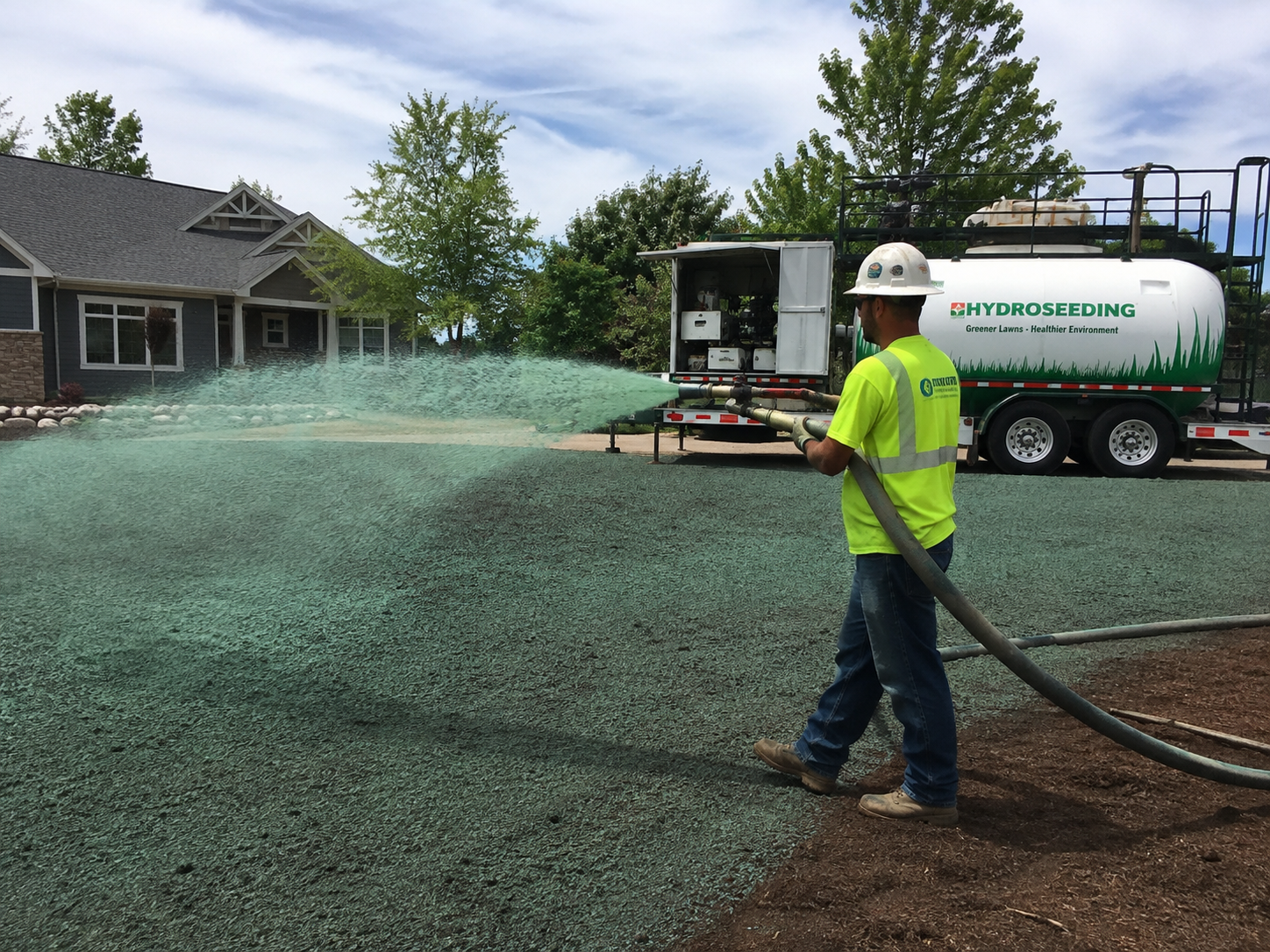
Hydroseeding companies apply a slurry of seed, mulch, and fertilizer to prepared soil for lawn establishment, erosion control, and large-scale revegetation — a specialized trade with strong commercial and governmental demand.
Why Hydroseeding Business Owners Struggle to Retire
Hydroseeding demand is driven by residential development, commercial construction, highway and utility corridor revegetation, and erosion control requirements on disturbed land. Homebuilders, general contractors, municipalities, and state DOTs represent stable, high-volume client categories that return project after project.
Why the Hydroseeding Business Fits Our Model Well
Government and commercial contracts in this trade are typically bid-based, so ensuring the new operator can qualify for and maintain those relationships is a key part of transition planning.
What We Look At in a Hydroseeding Business
- Mix of residential vs. commercial and governmental work
- Equipment condition and tank capacity of hydroseeder units
- Depth of relationships with homebuilders, GCs, and municipal clients
- Operator licensing and any required bonding for government contracts
Typical Financial Profile
Hydroseeding businesses serving active construction markets commonly generate $500K–$1.5M in revenue with 30–42% owner profit margins, with higher margins when governmental and large commercial contracts make up a significant share of the mix.
What Happens to Your Employees and Customers
Equipment, operator certifications, and key contractor relationships are the primary continuity factors and are addressed directly in any transition plan.
Selling Your Hydroseeding Business: Common Questions
How do I sell my Hydroseeding Business?
The most common options are a broker listing, a private equity sale, or a direct retirement partnership like ours. A broker listing can take 12–24 months and costs 10–12% in commissions. Private equity typically requires flipping the business in 3–5 years. We buy directly, transition at your pace, and pay you monthly from the profits instead of a lump sum — no bank, no broker, no auction.
What is my Hydroseeding Business worth?
Most Hydroseeding Businesss are valued at 2–4x their annual owner profit (also called SDE — seller's discretionary earnings). A business generating $200K in annual profit might be worth $400K–$800K. The real question isn't just the number today, but how much you receive in total — and our structure often delivers more over time than a discounted lump-sum sale.
Can I retire from my Hydroseeding Business without using a broker?
Yes. You don't need a broker to retire from your business. We work directly with owners — no listing, no public auction, no commission. The process is completely confidential, which means your employees and customers don't find out you're considering a transition until you decide to tell them.
What happens to my employees when I retire from my Hydroseeding Business?
In our model, your employees keep their jobs. We're not a private equity firm looking to cut costs — your team is what makes the business valuable, and we protect that. Same crew, same roles, same pay. Employee retention is a core part of how we operate.
How long does it take to retire from my Hydroseeding Business?
It varies by business, but most transitions are underway within 60–90 days of agreeing on terms. We take as long as the business actually needs for a clean handoff. Unlike a broker listing that can sit on the market for 1–2 years with no guarantee of closing, our process moves on a schedule that works for your situation.
Is hydroseeding seasonal?
Spring and fall are peak seasons for most markets, but construction-driven work can extend the active season considerably — particularly in warmer climates or on covered/accelerated project timelines.
Does the business depend on construction market activity?
New construction is a meaningful demand driver, but erosion control, highway revegetation, and utility corridor work tend to be more consistent across economic cycles than residential construction alone.